

As part of our Corporate Social Responsibility initiatives, we sponsored a Singapore ecosystem awareness workshop for children with Little Green Guardian in our CoWorkSpace event space at Raffles Quay.
The session was simple on the surface, thoughtful in the details, and quietly effective: children learned to identify insects and encase specimens into resin, while parents and organisers enjoyed a turnkey, private venue that ran on schedule and without friction.
Why Ecosystem Awareness Matters For Children In Singapore
At our recent workshop with Little Green Guardian, we watched a familiar shift: children who arrived with polite curiosity left with the sort of specific confidence that comes from handling real objects, asking direct questions, and being taken seriously.
Connecting City Living To Nature And Biodiversity
When children learn to recognise insects, they begin to notice the "small infrastructure" of nature: pollination, decomposition, camouflage, and the quiet relationships between living things.
Building Lifelong Habits Through Early, Hands-On Learning
Early, hands-on learning builds habits because it creates ownership.
Children who mix resin carefully, wait for curing, and protect a delicate specimen are practising patience and responsibility.
When the facilitator says, "Slowly now, keep it steady," the room becomes quiet.
What The Little Green Guardians Workshop Covers
This was a Singapore ecosystem awareness workshop for children in the most practical sense: it used insects as the entry point to make biodiversity legible.
Little Green Guardians, led by external facilitator Leo, designed the session to feel structured without feeling strict.
There was room for excitement, but the activities had clear boundaries, which matters when you are working with children and materials that require care.
Core Ecosystem Concepts Made Child-Friendly
Rather than opening with definitions, Leo opened with observation.
"What do you notice first?" he asked.
Hands went up. "The wings." "The legs." "It is a bug."
From there, the concepts appeared naturally: how insects protect themselves, how they interact with plants, why some species thrive in specific environments, and what happens when habitats change. Children do not need an academic lecture: they need a framework that matches what they can see.
We also appreciated the subtle discipline in how questions were handled. When a child asked, "Is it dangerous?", Leo did not dismiss it. He calibrated it: what is safe to touch, what is for looking only, and why respect is part of learning.
Local Habitats Children Can Recognise In Singapore
One reason ecosystem education works well here is that Singapore's nature is not far away:
The workshop referenced habitats children may have already encountered without naming them: roadside greenery, school gardens, parks, coastal edges, and the pockets of biodiversity that exist even near dense developments
How A Great Children’s Workshop Is Designed
Age-Appropriate Structure, Attention Spans, And Safety
The design here respected attention spans.
The workshop was split into two main teaching blocks with a short break. Children can absorb a surprising amount when they know there is a pause coming, and when the facilitator signals what happens next.
Safety was treated as a normal operating condition. Materials were introduced with clear instructions, and handling was supervised.
The room layout helped: enough space to move, clear sightlines, and seating that kept children facing the facilitato.
Interactive Activities That Reinforce Learning
Encasing insects into resin is not just "arts and crafts". It is applied learning: careful measurement, sequencing, and an intuitive feel for cause and effect.
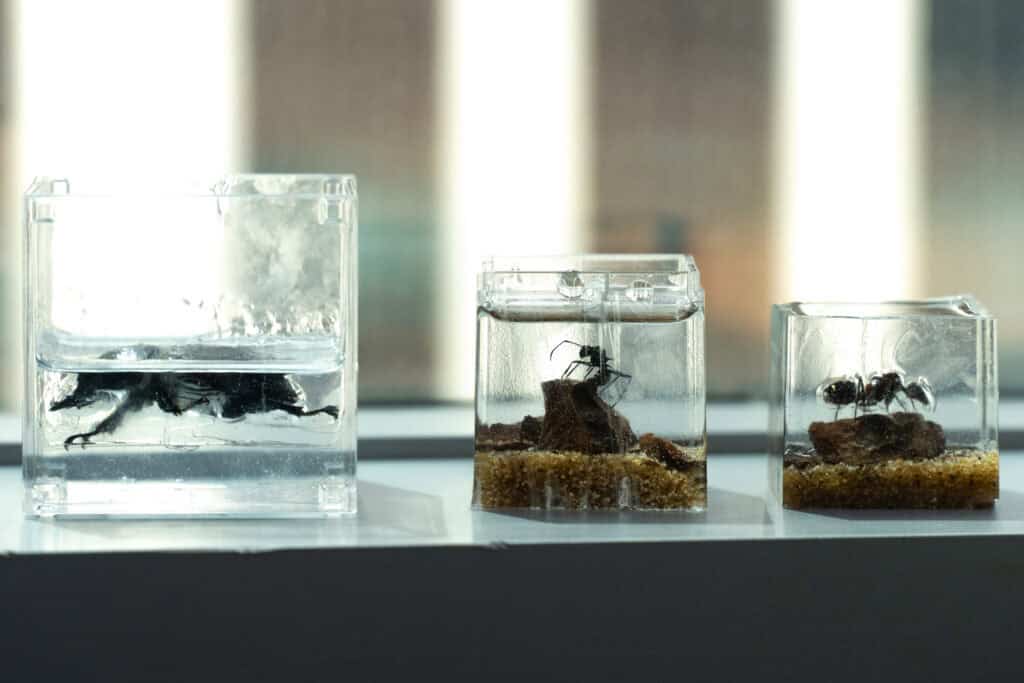
We noticed that when children poured too quickly, they corrected themselves on the next attempt. That is good workshop design: let the activity teach.
There was also a quiet confidence in using tangible artefacts as the centrepiece. The object becomes a memory anchor. Weeks later, a child can pick up the finished resin piece and remember the conversation about habitats and biodiversity.
Inclusive Facilitation For Different Learning Styles
Some children watch, some copy, some need to handle an object to understand it.
Leo facilitated with that in mind. He asked questions that allowed short answers. He repeated key points without sounding repetitive. And he watched the room.
Whether it is a boardroom briefing or a children's session, good facilitation is the ability to keep the group moving together.
Planning The Workshop: Format, Timing, And Group Size
Planning a children's workshop looks simple until you account for reality: arrival times, attention span, restroom breaks, parents who linger at the door, and the fact that children move like a school of fish.
School, Holiday, And Weekend Programme Options
In Singapore, timing is strategic. School programmes tend to benefit from a familiar routine and clear learning objectives. Holiday and weekend sessions often work better when they feel like a treat, but still deliver substance.
Materials, Take-Home Kits, And Follow-Up Activities
Take-home outcomes matter. A finished artefact and a certificate extend the workshop beyond the hour.
We have seen children treat certificates as proof that they participated in something meaningful.
That sense of achievement makes follow-up activities easier. Parents can ask, "Show me what you learned," and the child has something concrete to point to.
If you are planning similar sessions for a company family day or community programme, it is worth thinking about logistics the way you would for any operational project: materials staging, waste disposal, and storage. Good planning keeps the session feeling effortless - we have prepared a guide on planning a successful meeting with our meeting rooms - these are transferrable skillsets.
Choosing A Venue That Supports Learning And Operations
In a corporate setting, we talk about professional image because it changes how people behave in the room.
The same is true for children: when the space feels purposeful, they treat the session as something worth paying attention to.
Quiet, Private Space For Focused Facilitation
For children, one side conversation turns into three.
A private seminar room helps the facilitator keep the group together. It also gives parents peace of mind.
In this setting, adapting a clear plan for hosting a seminar, such as a reliable projector and comfortable seating, can greatly enhance the learning experience. Furthermore, the right audio-visual equipment ensures that all participants engage fully with the content being presented. Overall, a well-equipped seminar room fosters collaboration and encourages active participation from everyone involved.
Doors closed, session contained, and a predictable environment where children can engage.
Turnkey Setup: AV, Wi‑Fi, Seating, And On-Site Support
Reliable Wi‑Fi, functional audio-visual equipment, and a room layout that works from the start reduces the "setup tax" that organisers often pay in stress and time.
We also keep on-site support close by, so facilitators can focus on the children rather than troubleshooting a display cable.
Central Location, Professional Facilities, And Easy Access
Holding the workshop at Raffles Quay in Singapore Central Business District made attendance straightforward. For parents working nearby, it also meant fewer logistical compromises.
In executive terms, this is the venue equivalent of signalling stability. We also believe children deserve an environment that reflects care and intention.
Professional facilities can be engaged, calm, and genuinely educational.
Conclusion
We hosted this Singapore ecosystem awareness workshop for children with Little Green Guardians in our CoWorkSpace seminar room at Raffles Quay, and what stayed with us was not just the craft outcome. It was the atmosphere: focused children, a calm facilitator, and an agenda that ran on time.
For reference, here is the exact run of show we followed:
- 11:55 AM Gather the children in the seminar room
- 12:00 PM Introduction to the Children
- 12:05 PM – 1:00 PM Workshop led by Leo
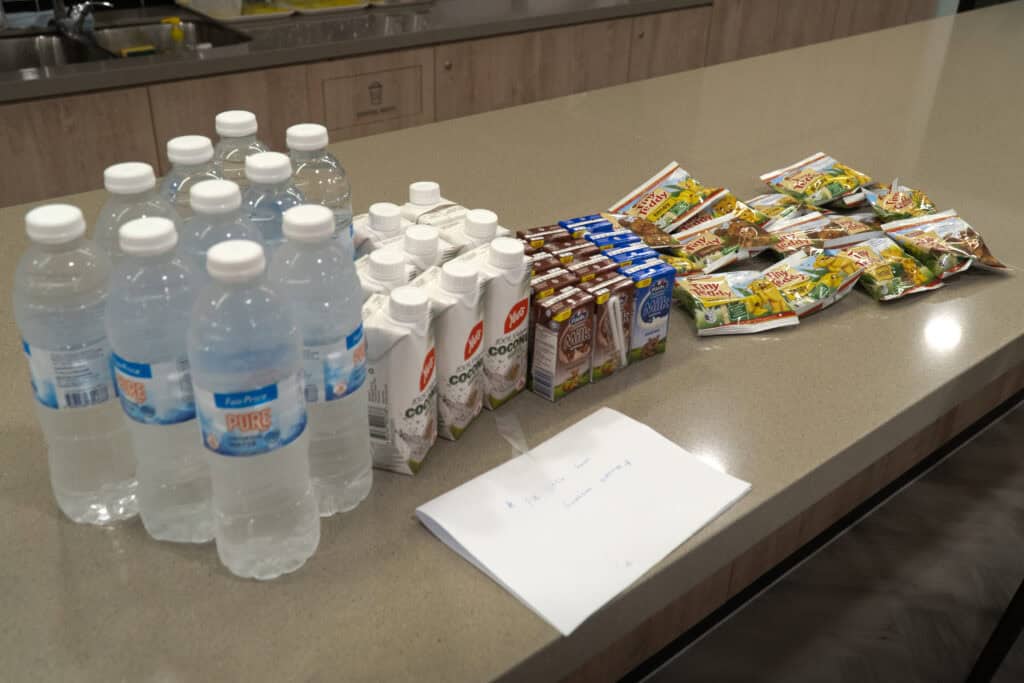
- 1:00 PM 10-minute toilet/snack break
- 1:10 PM – 1:50 PM Workshop continues
- 1:50 PM Closing segment: Thanksgiving, certificate presentations, group photo
- 2:00 PM End of Workshop
If you are planning a children's workshop, family day session, or a small community programme in the Singapore Central Business District, we can help you run it with the same operational ease you would expect from a serviced office in Raffles Quay: private room, professional setup, good IT infrastructure and support on-site.
Frequently Asked Questions
What is the Singapore ecosystem awareness workshop for children by Little Green Guardian?
The Singapore ecosystem awareness workshop for children with Little Green Guardian is a hands-on session where children learn to recognise insects, discuss habitats and biodiversity, and complete a practical activity such as encasing specimens in resin. It’s designed to feel structured, safe, and engaging rather than lecture-based.
Why does ecosystem awareness matter for children growing up in Singapore?
Ecosystem awareness helps children connect urban life with the biodiversity around them. By observing real specimens and asking questions, children learn concepts like pollination, decomposition and habitat change, and start forming practical habits around responsibility, patience and sustainability.
What do children actually do during the Little Green Guardians workshop?
Children begin with observation—identifying insects—then learn how insects interact with plants and environments. A key activity is mixing and pouring resin carefully to encase a specimen, reinforcing sequencing and cause-and-effect. The session typically includes a short break and ends with certificates.
How can I support CoWorkSpace with its sustainability initiatives ?
You may visit our latest initiative: Pass It On for donating used textbooks, unused assessment books and other school supplies.
How long is a typical Singapore ecosystem awareness workshop for children, and what’s the schedule like?
A typical Singapore ecosystem awareness workshop for children runs for around two hours with two teaching blocks and a short toilet/snack break in between. This pacing suits attention spans and keeps the room calm. Many programmes also include a closing segment for certificates and a group photo to mark achievement.
What age group is best for a Singapore ecosystem awareness workshop for children?
Most ecosystem awareness workshops are best for children who can follow safety instructions and stay seated for short blocks—often roughly ages 3–12, depending on activities and materials. For resin-based tasks, younger children usually need closer supervision. Ask the organiser about age suitability, group size, and handling rules.
What should I look for in a venue for a children’s ecosystem workshop in Singapore CBD?
Prioritise a quiet, private room with clear sightlines, stable seating, and reliable AV and Wi‑Fi so the facilitator isn’t troubleshooting mid-session. On-site support helps sessions run on time and safely. A central CBD location also reduces logistics for working parents and corporate or community family-day programmes.


This workshop sounds fantastic! It’s great to see children engaging with nature in a hands-on way. I hope more initiatives like this come up in Singapore.
I love the idea of teaching kids about ecosystems! They truly need to learn about biodiversity, especially in an urban setting like ours.
The focus on hands-on learning is really effective. My son attended a similar workshop, and he was so excited to share what he’d learned about insects at home.
I find it interesting that the facilitator allowed for questions. That kind of interaction is important for children’s learning.
Sounds like a well-organised workshop. But do you think it’s accessible for all families? Not everyone can attend events like this.
Encasing insects in resin is a great way to combine art with science. I’d love to see more workshops that blend creativity with ecological learning!
Nice to see kids learning about their local environment. Too many are disconnected from nature these days.
I think it’s important for children to learn about nature, especially in fast-paced cities. This workshop sounds like a step in the right direction.