

In an era of remote work and digital isolation, many professionals struggle with loneliness, burnout, and blurred work-life boundaries.
Surprisingly, coworking spaces—once seen as just affordable offices—are emerging as powerful tools for mental well-being.
These spaces — like a coworking space in the Cecil Street area — are designed to foster collaboration and community, creating a positive work environment that can alleviate feelings of isolation.
By encouraging interactions among diverse professionals, a coworking space in Tanjong Pagar can not only support productivity but also enhance mental health.
As people come together, they share ideas, resources, and encouragement, transforming their work experience into a more fulfilling endeavor.
Here’s how sharing a workspace can enhance your psychological health.
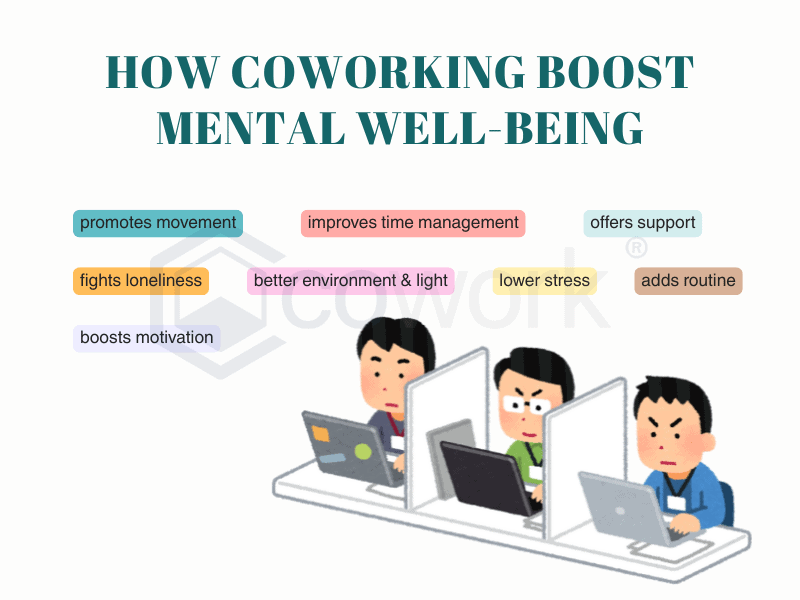
1. Combats Loneliness and Isolation
Working from home can lead to feelings of disconnection. Coworking spaces provide:
- Social interaction – Casual chats, networking, and a sense of belonging.
- Reduced isolation – Simply being around others, even if not collaborating, can improve mood.
- Community events – Workshops, lunches, and coworking meetups foster connections.
2. Creates Structure and Routine
Mental health thrives on routine. Coworking helps by:
- Defining work-life separation – Leaving "home mode" for "work mode" reduces burnout.
- Establishing consistent work hours – A dedicated space encourages discipline.
- Avoiding home distractions – Fewer temptations to procrastinate or overwork.
3. Enhances Motivation and Productivity
A dynamic workspace can re-energize your work ethic through:
- Peer inspiration – Seeing others focused boosts your own drive.
- Professional environment – Designed workspaces minimize mental fatigue.
- Fewer distractions – Compared to home, where chores and TV loom nearby.
4. Reduces Stress Through Flexibility
Unlike rigid offices, coworking spaces offer:
- No corporate pressure – Work at your own pace without micromanagement.
- Variety of environments – Sit at a quiet desk, lounge area, or café-style table depending on mood.
- No long-term commitment – Monthly coworking memberships reduce financial stress.
5. Encourages Physical Movement
Sedentary lifestyles hurt mental health. Coworking spaces promote:
- Walking breaks – Larger spaces encourage movement.
- Ergonomic setups – Better seating than your couch or bed.
- Nearby amenities – Cafés, gyms, or outdoor spaces for quick rejuvenation.
6. Provides Networking and Emotional Support
Beyond business connections, coworking relationships can:
- Offer accountability partners – Help you stay on track with goals.
- Serve as a sounding board – Discuss challenges with like-minded people.
- Reduce imposter syndrome – Surrounding yourself with diverse professionals normalizes struggles.
7. Exposure to Natural Light and Better Environment
Many coworking spaces prioritize:
- Bright, airy layouts – Unlike dim home offices.
- Greenery and open spaces – Linked to reduced anxiety.
- Quiet zones and relaxation areas – Supporting mental recharge.
Coworking isn’t just about saving money on office space—it’s about creating a healthier, more balanced work life.
Whether you’re a freelancer battling isolation or a remote employee feeling stagnant, a coworking space could be the mental reset you need.




0 Comments