

We designed our coworking space at Raffles Quay to act as an intelligent extension to your existing office.
Think of it as a premium, flexible layer you can add when you need prestige, privacy, speed, or resilience, without carrying unnecessary fixed cost.
Similarly, our serviced office members have constantly experienced this benefit when they require additional space at short notice.
In the sections below, we outline ten practical ways a Tanjong Pagar coworking space can complement an existing office.
1. Add A CBD Client-Facing Address Without Replacing Your Existing Office
A Central Business District address does something subtle in a client's mind. It signals permanence, standards, and serious intent.
When your existing office is in a business park, a suburban hub, or simply not where your clients prefer to meet, a premium Cecil Street coworking space can give you a front door in the right part of town without asking you to abandon what already works.
Use our space as a client-facing layer:
- Meet in the Central Business District when it matters, then return to your existing office for delivery work.
- Keep your brand consistent with a reception experience and professional meeting environment.
- Avoid overcommitting to a larger lease just to access a better postcode.
There is also a strategic advantage in having a location that reads as "headquarters-ready" when you are speaking with banks, partners, or senior candidates.
A flexible serviced office arrangement in Singapore can provide that prestige while you continue to run your operational base exactly where it is most efficient.
2. Create Instant Overflow Space When Headcount Spikes (Without Re-Fitting Out)
Headcount rarely rises in a straight line. A new client win, a project ramp-up, or a regional mandate can add seats faster than furniture lead times. Traditional offices respond slowly: reconfigurations, approvals, contractors, disruption, then the uncomfortable realisation that the new layout may be wrong by next quarter.
A coworking space can act as your pressure-release valve.
Practical ways leaders use overflow capacity:
- Project teams placed together for eight to twelve weeks, then scaled down cleanly.
- Seconded staff from another country who need a stable base immediately.
- Peak hiring periods where you need desks now, not after a refit.
From a cost-efficiency perspective, overflow space is a hedge. You pay for what you use, when you use it, rather than carrying underutilised square footage as a permanent liability.
And because the space is already operational, you avoid the hidden costs that live in fit-out decisions: cabling, access control, acoustic work, and the inevitable "while we are at it" scope creep.
With the right voip solutions for coworking spaces, you can maintain connected with your existing office. This approach not only boosts productivity but also creates a collaborative atmosphere that encourages innovation.
Additionally, reliable voip systems can scale with your business, ensuring that your communication needs evolve alongside your growing community.
3. Use Meeting Rooms As A ‘Deal Engine’ For Pitches, Negotiations, And Board Sessions
A deal can hinge on details that do not show up on a spreadsheet. The room is calm. The screen works instantly. Everyone can hear one another. There is water on the table, the start is on time, and the discussion stays sharp. These are small edges, but they compound.
When we describe meeting rooms as a "deal engine", we mean a place engineered for outcomes:
- Pitches that require clean audio-visual setup and a setting that matches the size of the opportunity.
- Negotiations where you need neutral ground, controlled access, and an environment that keeps emotions out of the mechanics.
- Board or steering sessions where privacy, clarity, and punctuality become governance tools.
For established small and medium enterprises, this approach avoids a familiar trap: maintaining large meeting rooms in a traditional lease that sit empty most of the month, then become a fixed cost. With on-demand meeting rooms as part of our coworking space, you have a meeting room only when its required.
A subtle point worth considering is psychological: clients and partners infer competence from how smoothly the meeting is run. A reliable space helps your team focus on content and decision-making rather than troubleshooting.
4. Onboard Interns And Short Term Hires Without Disrupting Your Core Team
Interns and short term hires can bring real leverage, but onboarding them inside a tightly run existing office can also create friction. Desks get reshuffled. Senior staff lose quiet time. Meeting rooms become improvised training spaces.
A flexible coworking space gives you a clean way to add capacity for temporary talent:
- Create a dedicated onboarding cluster so training materials and managers are close by.
- Keep the core team's rhythm intact, particularly for revenue-generating roles.
- Scale seats up and down as internship cycles and project staffing change.
This is particularly useful for professional services firms where confidentiality and focus are non-negotiable. You can give emerging talent a credible, well-supported environment while protecting the cadence of senior delivery.
There is also a brand dimension. A polished office setting in Singapore can improve the experience for interns and short term hires, which matters more than it might seem. People talk, and reputations in talent markets are surprisingly liquid.
6. Support Hybrid And Mobile Teams With A Stable Base (Not A Patchwork Of Cafés)
Hybrid work can be productive, but only when the infrastructure is deliberate. Without a stable base, teams drift into a patchwork: cafés for calls, hotel lobbies for meetings, home networks for presentations.
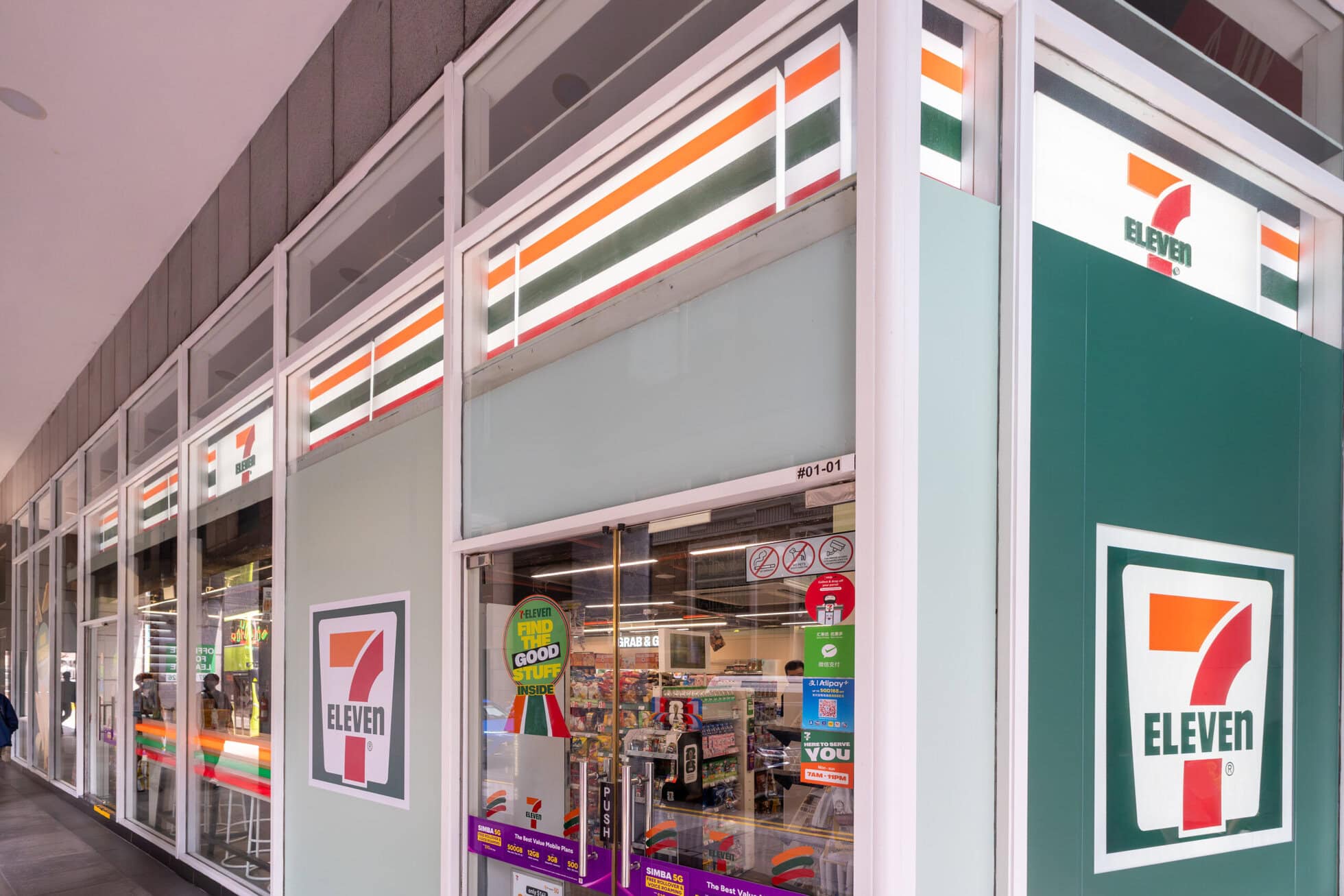
The list runs longer than most leaders admit; We even mapped out the trade-offs of coworking at a 7-Eleven on Robinson Road, which works for a solitary half-hour but collapses the moment a call or a confidential file enters the picture.
It looks flexible from a distance, yet it introduces quiet risk.
A coworking space provides structure without returning to heavy commitments:
- Reliable connectivity and professional settings for client calls and interviews.
- A consistent place for team days, training, and project milestones.
- A credible environment for mobile staff who need to work between meetings.
There is a reputational element as well. Client confidence can erode when a discussion is punctuated by background noise or unstable internet. This is not about perfectionism. It is about protecting signal when the conversation is expensive.
Hybrid policies also influence retention. People will tolerate flexibility that feels intentional. They will resent flexibility that feels like improvisation.
If you are thinking about how community and collaboration can exist without sacrificing professionalism, you might find this useful: how coworking spaces build meaningful professional connections.
5. Scale Up Or Down Faster Than A Traditional Lease
Traditional leases reward certainty. Markets do not always provide it. When revenue visibility tightens or when a new line of work accelerates faster than expected, space becomes either a constraint or an overhead.
What we aim to provide is scalability that behaves like a sensible financial instrument: clear terms, known costs, and the ability to adjust exposure without destabilising the core business.
Scale Seats With Clear Terms And Predictable ROI
Scaling should not feel like renegotiating your identity as a company. It should feel like adjusting capacity in line with demand.
Ways predictable scaling supports return on investment:
- You can match seats to utilisation, rather than hoping utilisation grows into your lease.
- You can cost projects accurately, because workspace expense becomes more legible.
- You can avoid "temporary fixes" that turn into permanent inefficiencies inside the existing office.
This is where a premium coworking space differs from ad-hoc overflow. The goal is not simply to add chairs. The goal is to add operational certainty.
Keep Stability While Staying Agile Through Market Volatility
Executives often hear agility framed as speed. In practice, agility is also the ability to change direction without breaking processes, morale, or client experience.
A flexible serviced office layer can help you:
- Respond to market shifts without repeated relocation projects.
- Maintain a consistent client-facing environment even as headcount changes.
- Protect team confidence, because the workplace does not become a recurring source of disruption.
It is worth acknowledging that not every business benefits from frequent changes. Some organisations thrive on permanence. The more common reality for established small and medium enterprises, but, is that growth and caution appear in alternating cycles. A workspace strategy that can accommodate both tends to outperform one that assumes a single trajectory.
6. Improve Business Continuity With Enterprise-Grade IT And Operational Resilience
Business continuity is rarely urgent until it becomes urgent. A network outage on a quiet day is an inconvenience. The same outage during a client workshop, a regulatory deadline, or a board presentation becomes a reputational event.
A well-run coworking space can complement your existing office by giving you a resilience layer:
- Enterprise-grade connectivity and secure network practices designed for professional environments.
- On-site support that resolves issues quickly, without the delay of third-party escalation.
- Operational consistency across access, power, printing, and meeting room systems.
For many small and medium enterprises, the question is not whether they value strong information technology. The question is whether they want to build and manage that environment themselves, or whether they prefer to buy it as a reliable service.
Continuity also includes the human side. When systems are dependable, teams stay composed. That steadiness shows up in how they handle clients, respond to deadlines, and make decisions under pressure.
Conclusion
A coworking space is most valuable to an established small and medium enterprise when it complements, rather than competes with, the existing office. The right setup can give you a Central Business District address for client confidence, private rooms for sensitive conversations, meeting spaces that support deal flow, and flexible capacity for interns and short term hires.
Just as importantly, it can reduce administrative burden, preserve capital expenditure for growth, and improve operational resilience.
If you are evaluating a premium serviced office and coworking space in Singapore's Central Business District, we are ready to help you design a workspace mix that protects stability while keeping your options open.
Frequently Asked Questions
How can a coworking space complement your office without replacing it?
Our coworking space can complement your office by adding a premium, flexible layer when you need a CBD presence, privacy, or extra capacity—without taking on another long lease. It helps protect cashflow, reduce admin overhead, and keep your main office focused on delivery work.
What are the benefits of using a coworking space for a CBD client-facing address?
Using our coworking space for a CBD client-facing address signals professionalism and “headquarters-ready” credibility for meetings, banks, partners, and senior candidates. You can host clients in a polished environment, then return to your existing office for day-to-day delivery—without upgrading your whole lease.
How do coworking spaces handle overflow when headcount spikes?
Our coworking space let you add desks for project ramp-ups, secondments, or peak hiring—without refits, contractors, or months of lead time. This “pay for what you use” approach avoids underutilised floor space and prevents fit-out scope creep, while keeping teams operational from day one.
Can I run confidential meetings in a coworking space?
Yes. Our premium coworking space offer bookable private rooms for sensitive conversations like partner negotiations, disputes, senior interviews, and cross-border calls. Having a closed-door option protects discretion and reduces the productivity drag that happens when confidential discussions disrupt your main office floor.
How can meeting rooms in a coworking space improve pitches and negotiations?
On-demand meeting rooms act like a “deal engine”: reliable AV, calm space, controlled access, and a professional setup that keeps discussions on track. Instead of maintaining large rooms that sit empty most of the month, you access the capability only when needed—supporting sharper governance and better client confidence.
What should I look for in a serviced office or coworking provider in Singapore’s CBD?
We prioritise enterprise-grade connectivity, consistent on-site support, clear scaling terms, and a professional reception and meeting experience—especially if you host clients. We also simplify operations with one vendor and one bill, and offer resilience features like dependable access, printing, and room systems.


This is a great concept. I can see how having a CBD address could really elevate a company’s image.
As a small business owner, I often struggle with space. The overflow option sounds perfect!
I love the idea of using coworking spaces for pitches. It really sets a professional tone.
Wouldn’t it be better to have in-house options for meetings? Why pay extra?
Sometimes it’s about quality, not just cost. A well-equipped space can make a difference.
True, but not everyone needs a meeting room all the time. Flexibility can save money.
The point about onboarding interns in a separate space resonates. It can keep things smooth.
I’ve been considering a coworking space for my freelance work. This article gives me more to think about.
What about the cost? Is it really affordable for startups like mine?
I think these spaces would be perfect for cross-company collaborations. Makes working together easier.
What about privacy? Are meeting rooms soundproof enough for sensitive discussions?
The flexibility to scale up or down is crucial, especially in today’s fast-paced environment.
If it wasn’t about cost, I’d love a dedicated team space in a coworking area.
Can you use these spaces for client presentations too? I would prefer a professional setting.